alive
The starter
Nine years old, fed twice a day, and stronger than any packet yeast.
100% wild
A small-batch stone mill and sourdough bakery that grinds heritage grain, ferments a nine-year-old starter, and ships the taste of a real crust to your door.
Three steps. No sourdough experience required.
We stone-mill heritage wheat and rye in small batches, cool and whole, so the flavor stays in the flour.
A nine-year-old starter, fed twice a day, ferments every dough slowly for deep, mellow flavor.
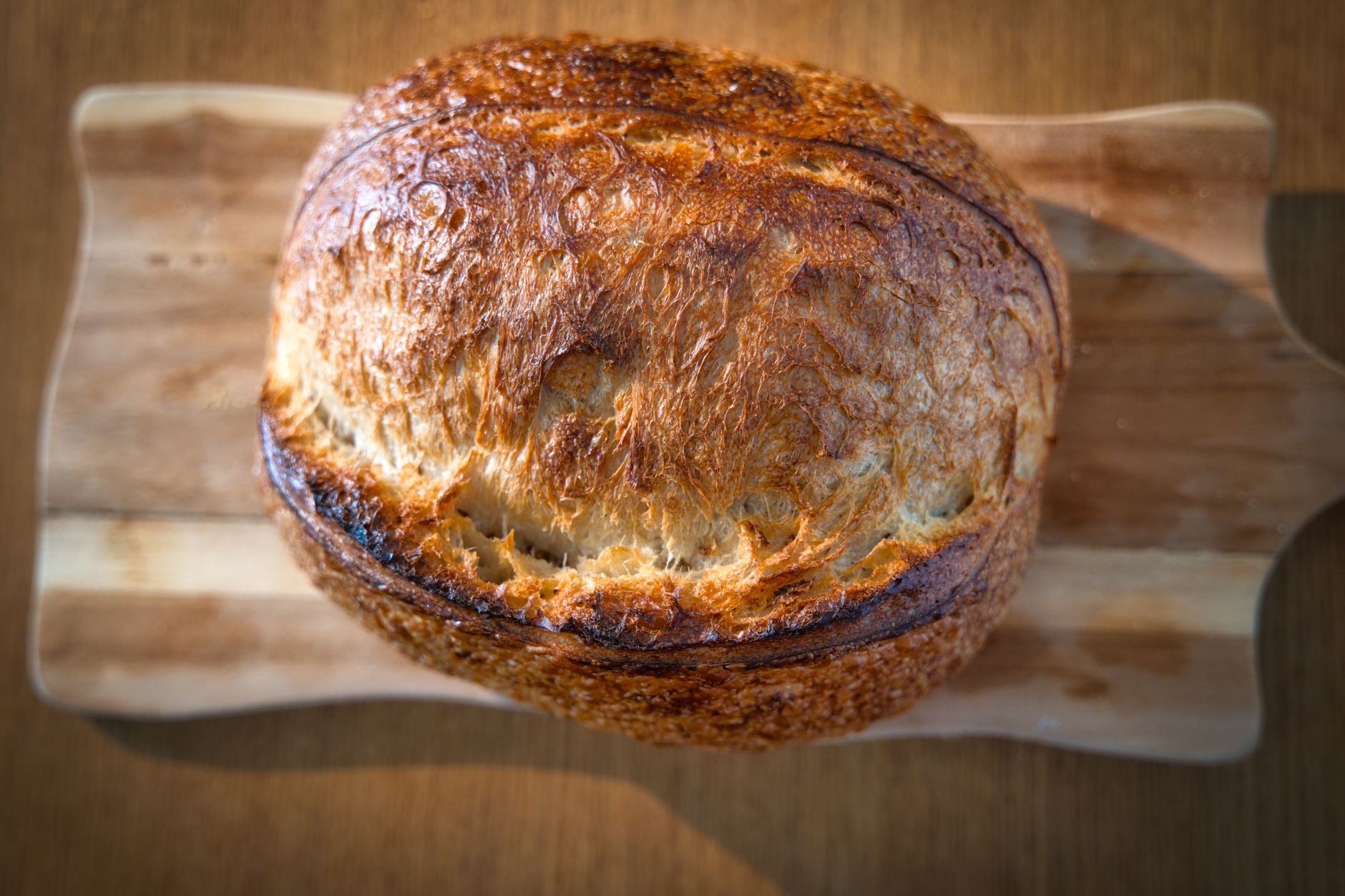
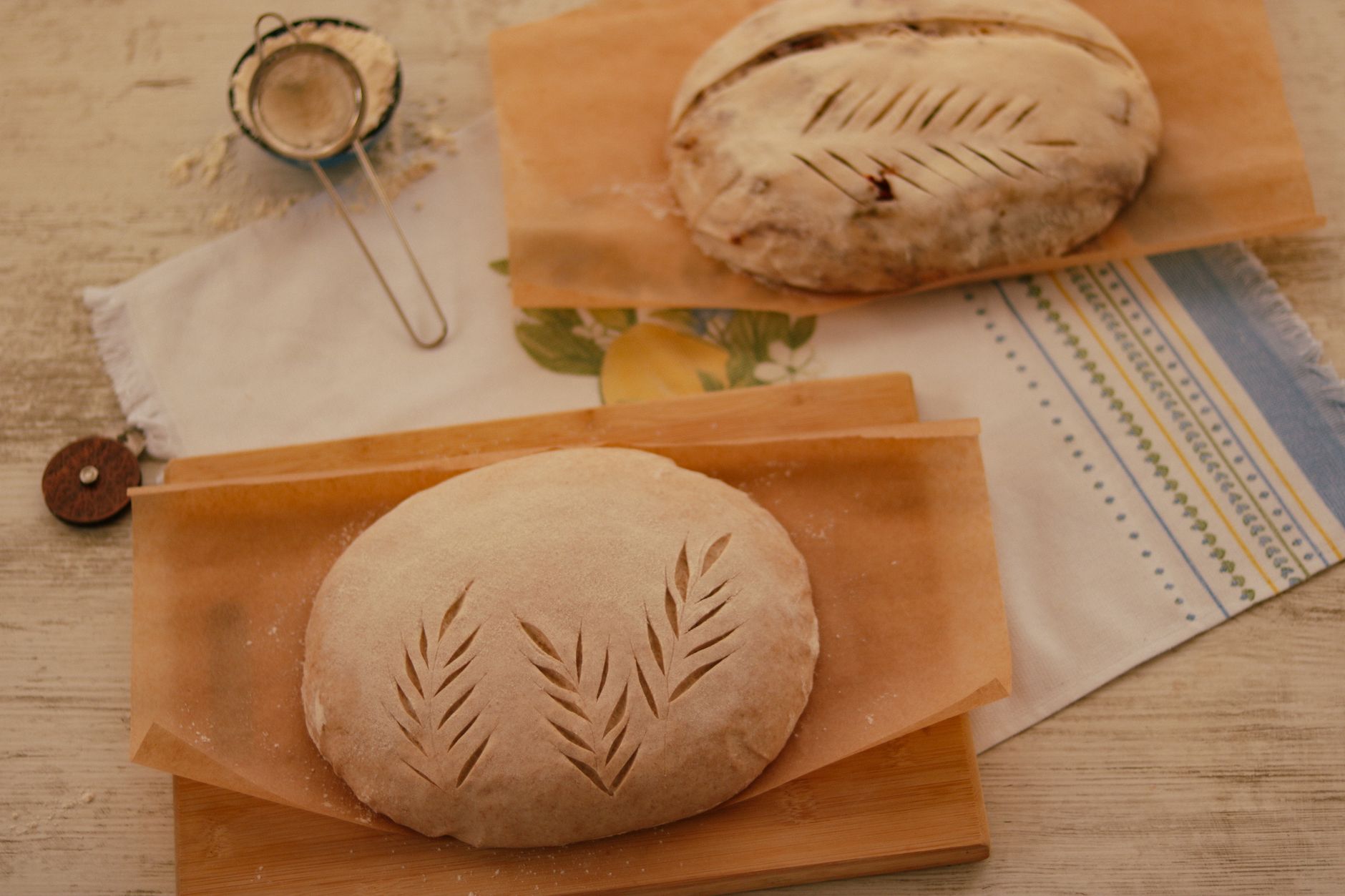
Wood-fired, hand-scored, and shipped the day it cools. A crust you can hear from across the room.
Real flour, real time, real fire.
Heritage wheat, rye, einkorn, and spelt — ground cold and shipped within 72 hours.
A nine-year-old wild culture gives every loaf its lift and its mellow, never-sharp tang.
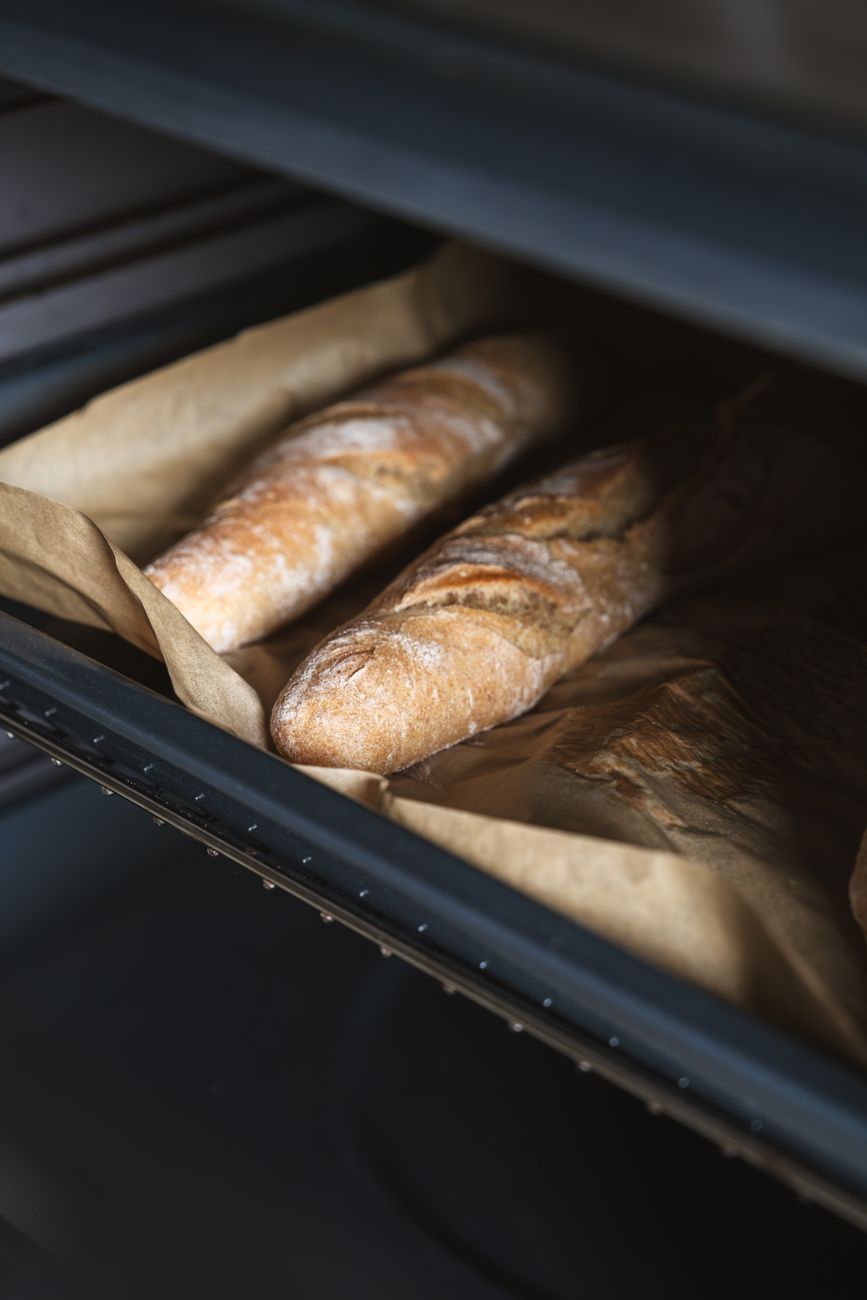
Oak-fired at 900°F, hand-scored, and baked until it crackles when it cools.
Forty-eight hours from mix to oven. Time is the ingredient you can't fake.
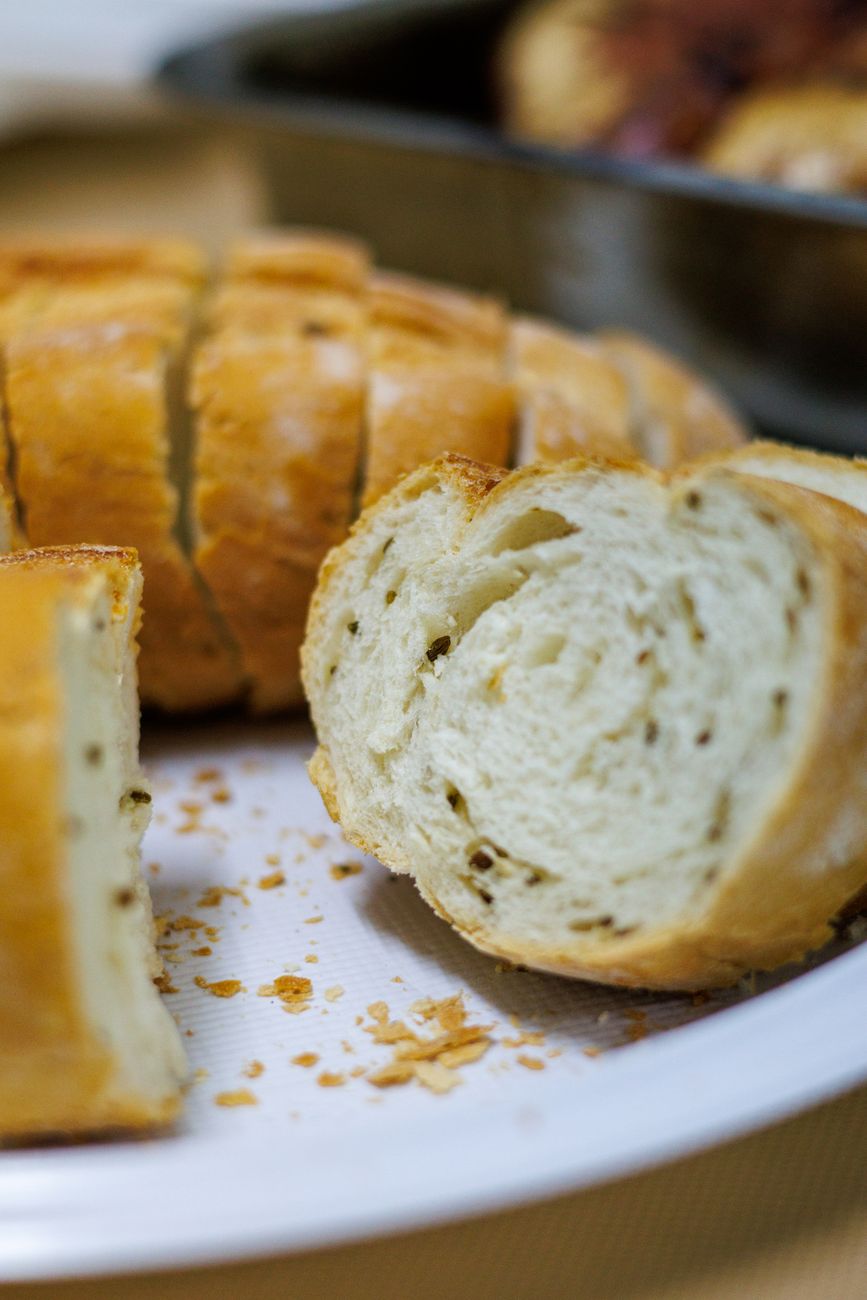
78% water and up, for an open, custardy crumb that stays moist for days.
Nothing sifted out, nothing added back. The germ, the bran, the flavor — all of it.
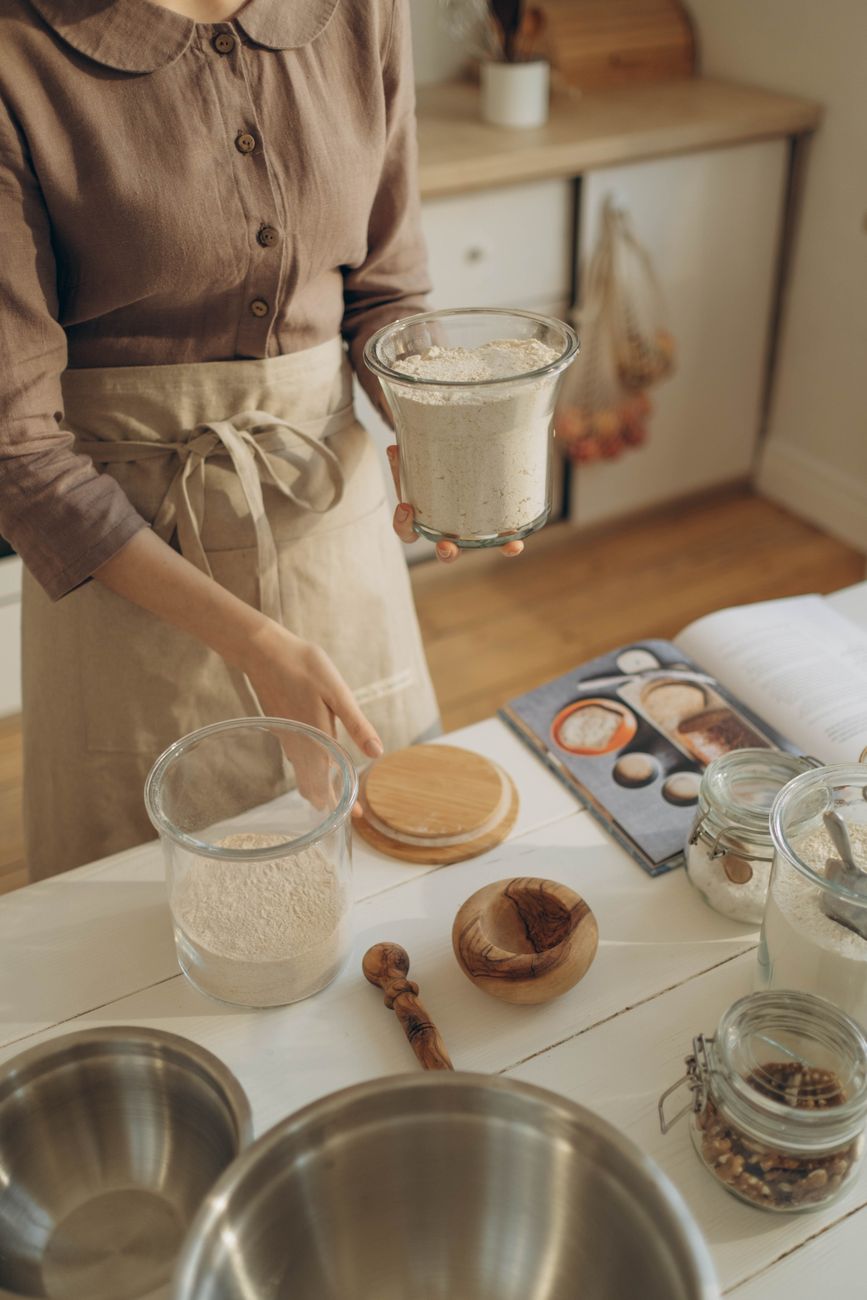
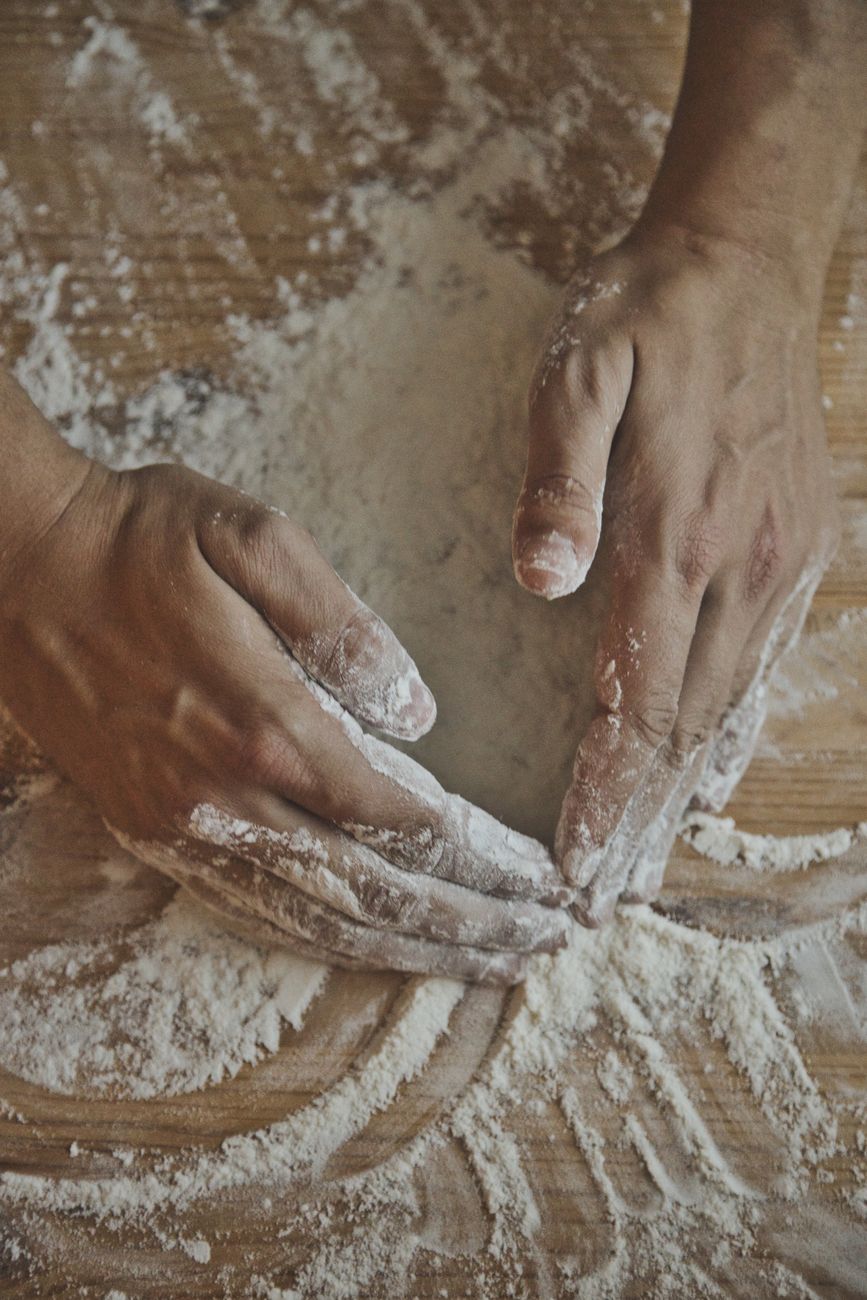
Shot where the flour actually flies.
Every loaf has its own proof.
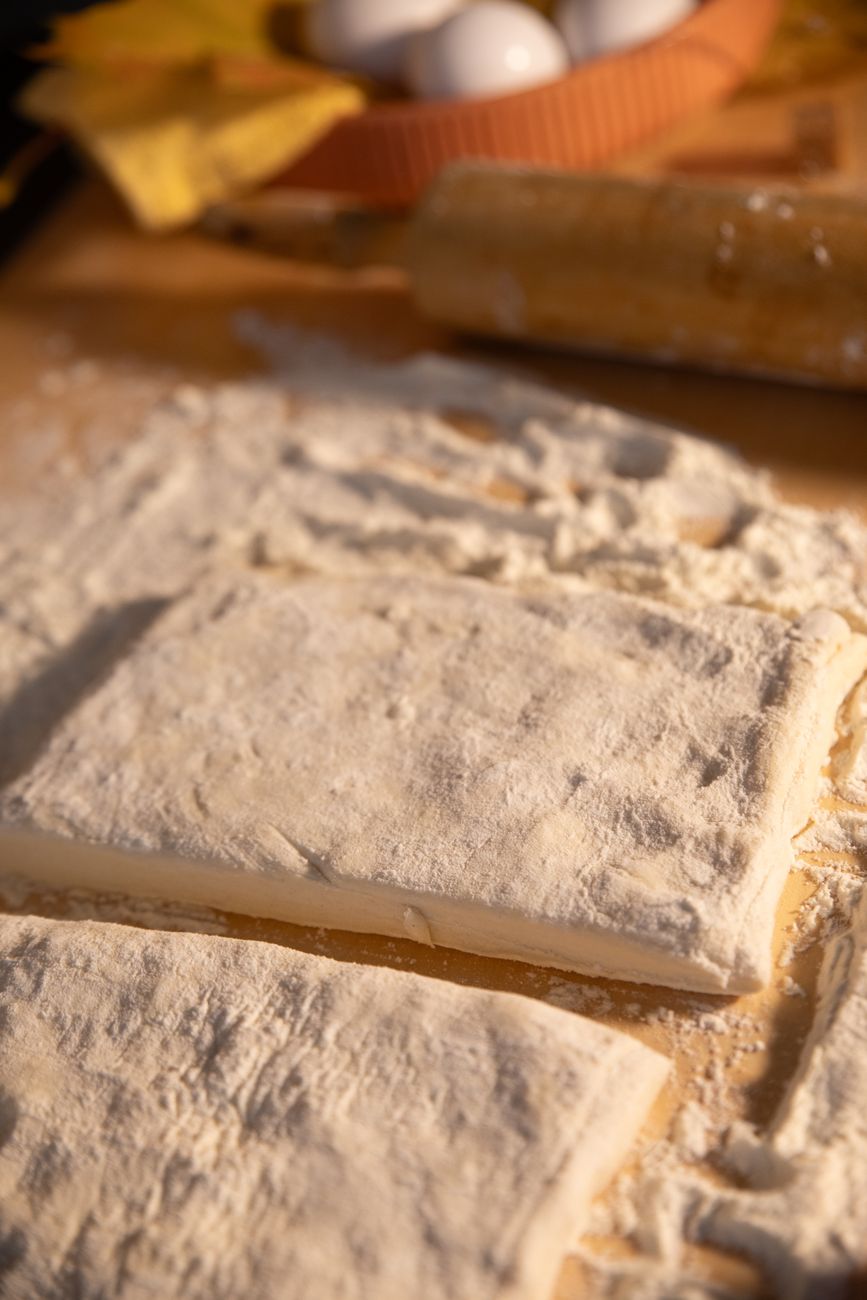
Dough doesn't rush. It rises when it's ready, doubling, then doubling again. We watch it like a clock — a soft, yeasty, living clock — and bake only when the finger test says go.
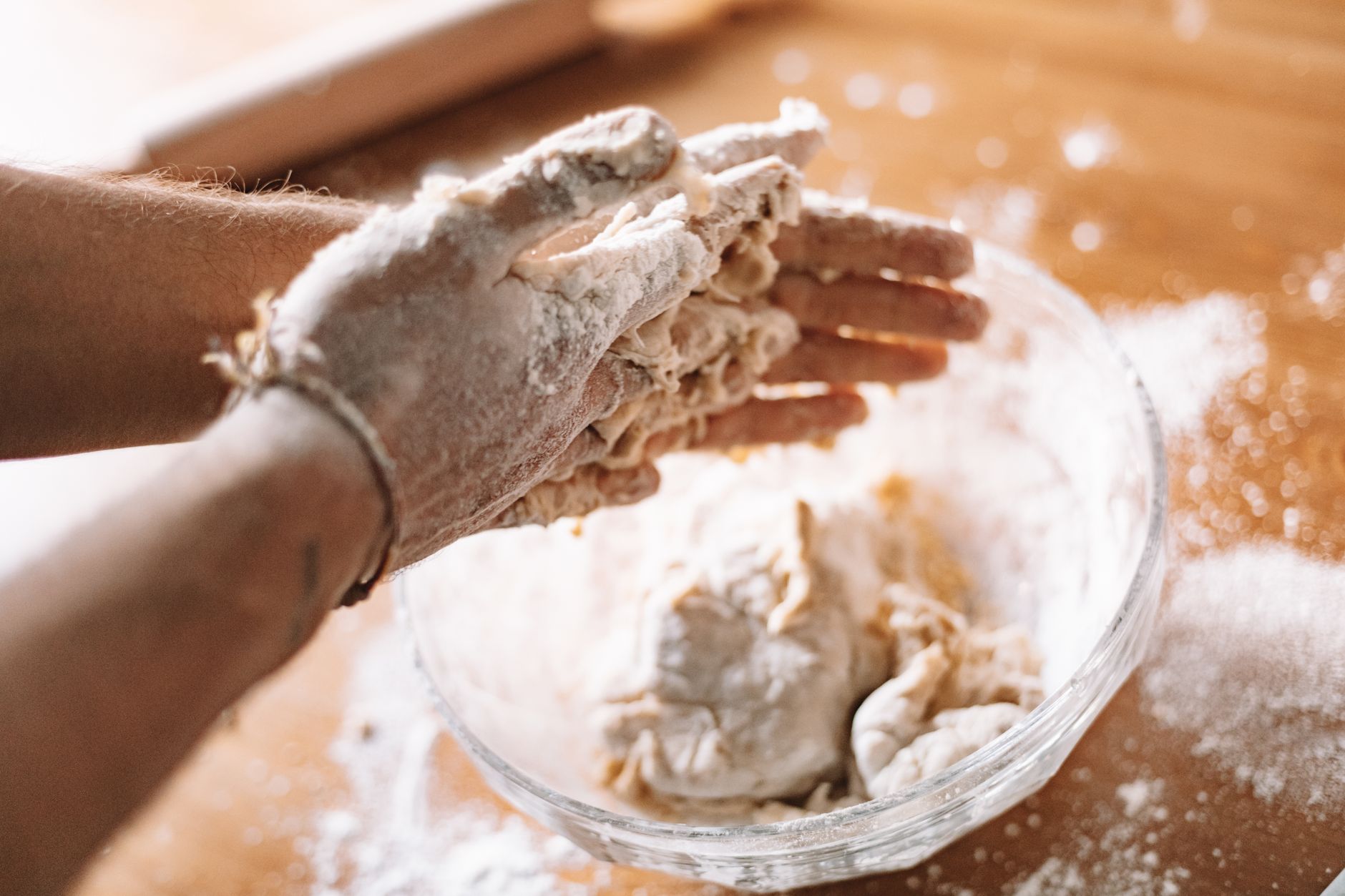
One fold at a time.
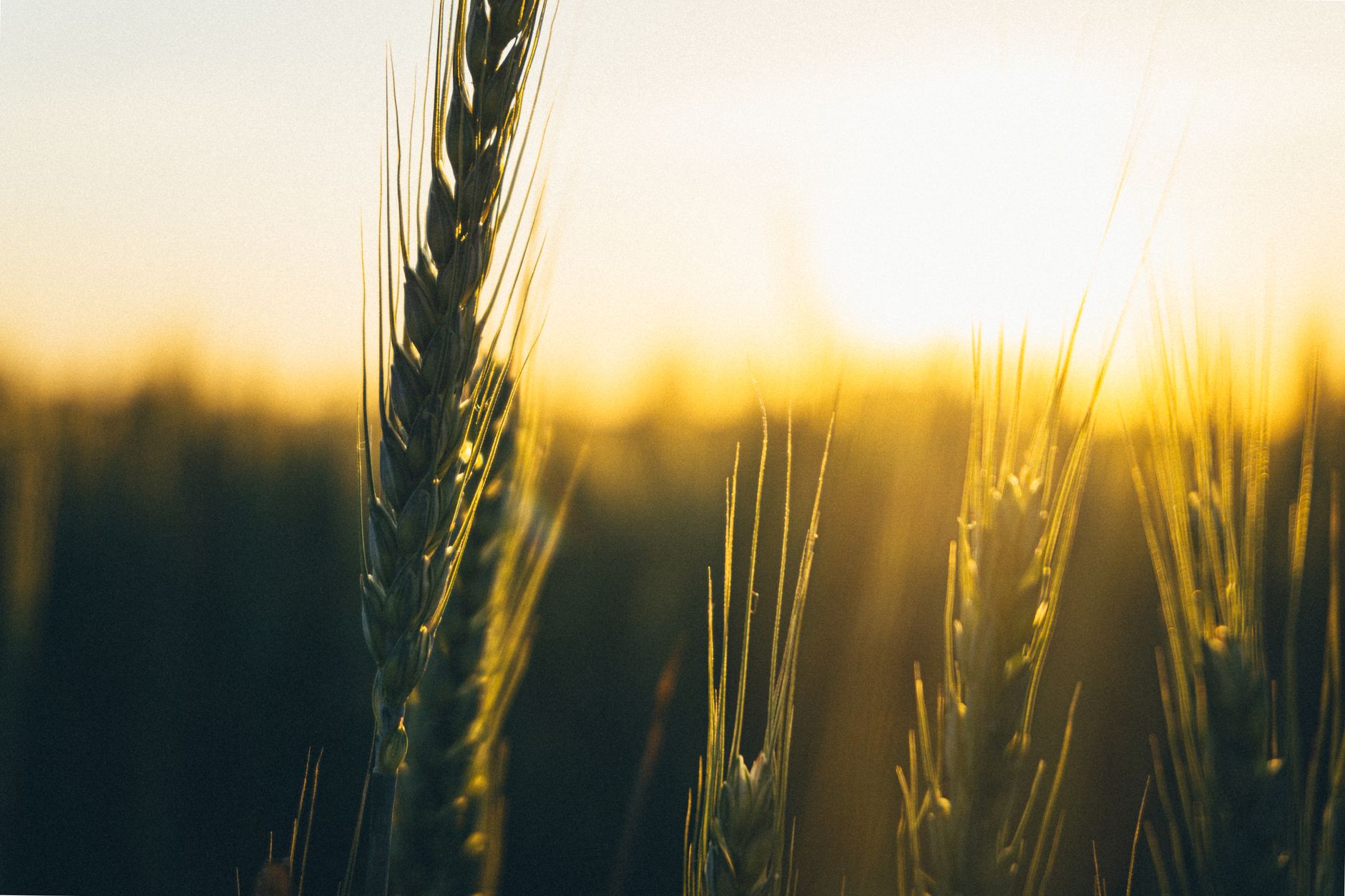
The wheat decides the loaf.
Nine years old, fed twice a day, and stronger than any packet yeast.
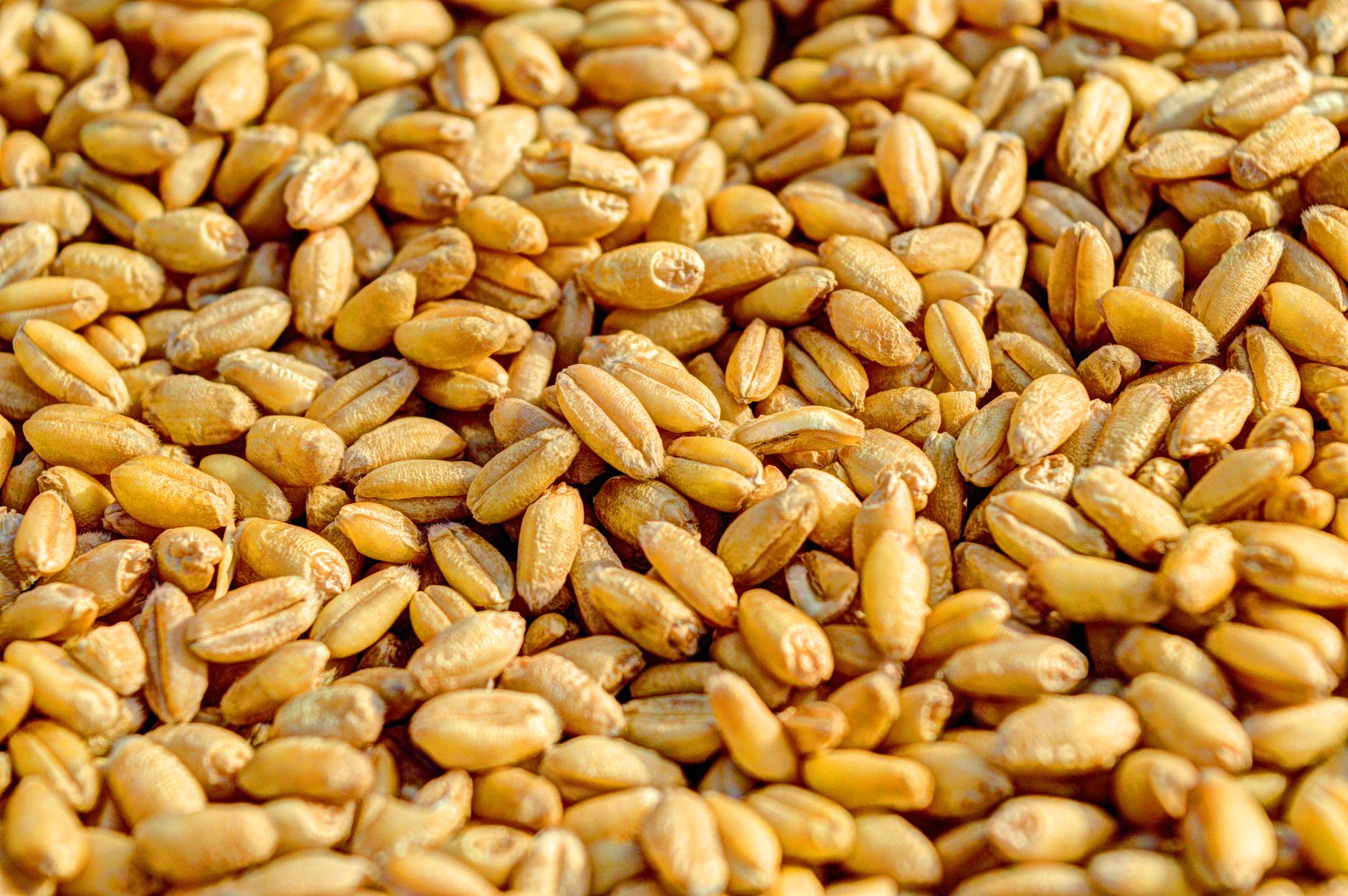
Heritage kernels, whole and unbroken, waiting for the stone.
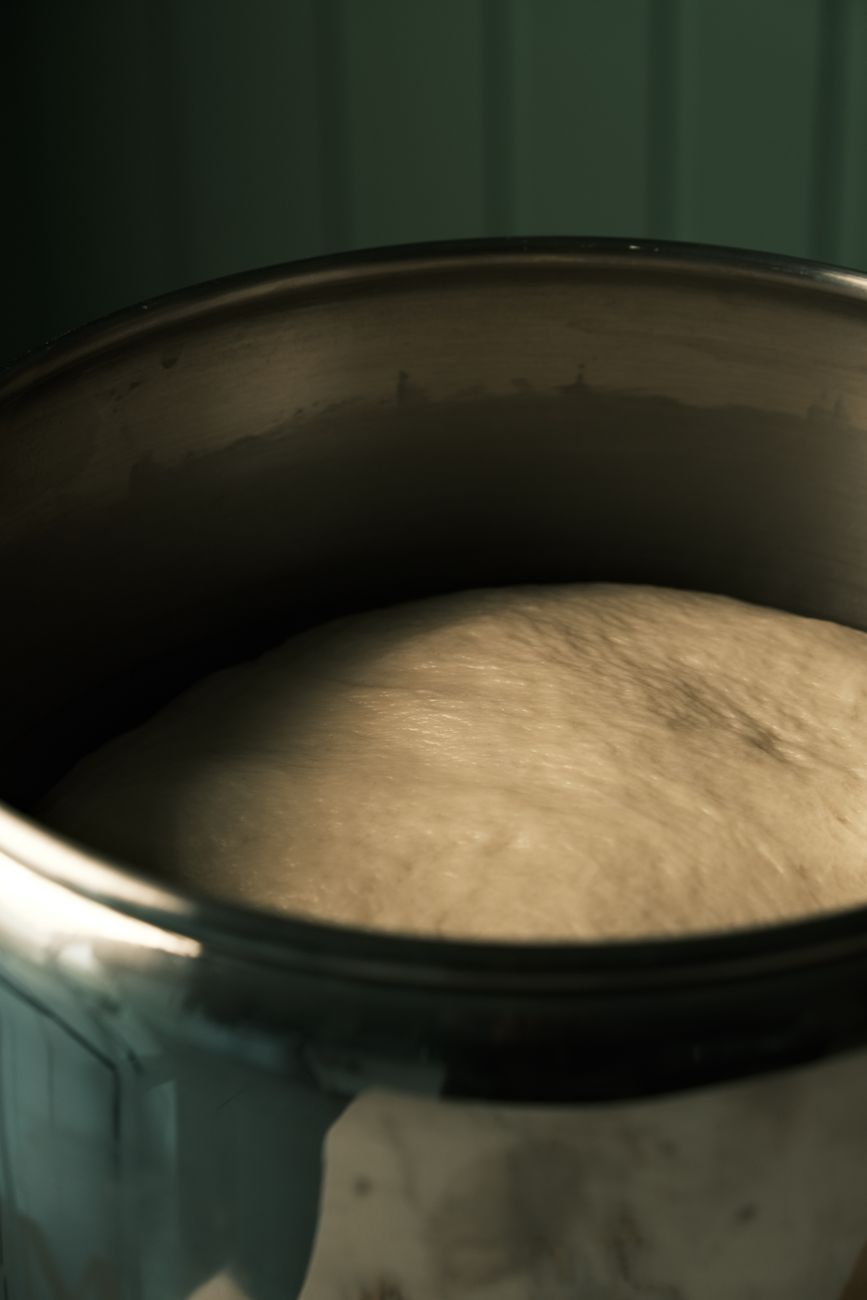
Forty-eight hours of fermentation, one fold at a time.
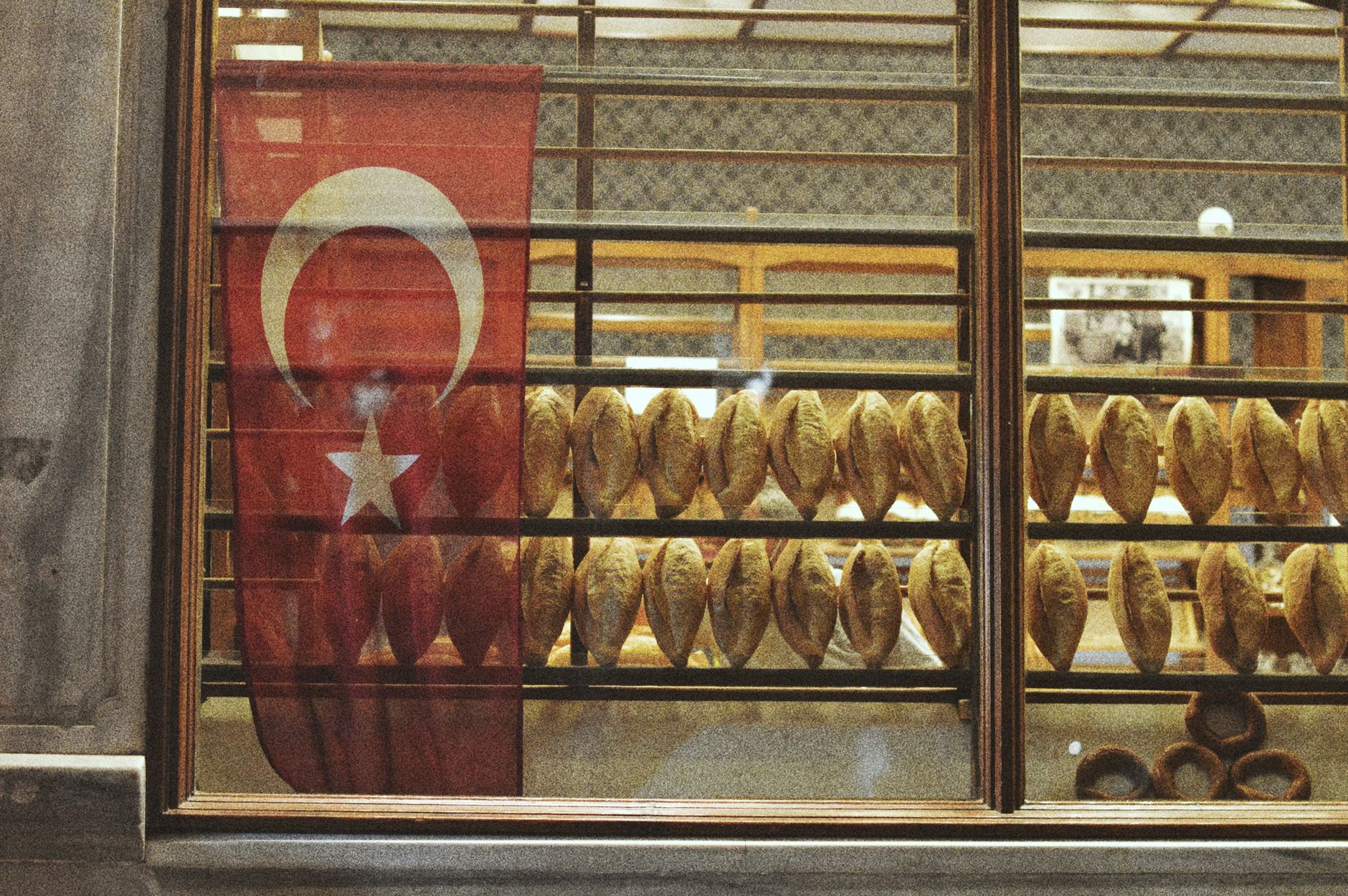
Oak-fired and hand-scored, pulled when the crust sings.
I started granary in a garage with a secondhand stone mill and a starter my grandmother mailed me in a jar. The first thing I learned: flour is a fresh food. It goes stale like milk, only slower, and nobody tells you that.
The second thing I learned: a sourdough starter is a living thing that remembers. Feed it well and it'll outlive every machine in the room — including the oven.
So here's the invitation: take a bag of flour that was wheat three days ago. Mix it, wait, and bake it in a screaming-hot oven. The smell alone will ruin store bread for you forever.
Live, from our backend.
People who finally got the crust they wanted.
"I've been baking for twenty years and never got an ear like this. The flour is a different product entirely."
"The starter smells like my grandmother's kitchen. I fed it, baked it, and cried a little. In a good way."
"Fresh-milled rye changed everything. My loaf finally tastes like the rye bread from the place I grew up near."
Where we're going.
Stone-milled flour + starter kits, shipping fresh in beta.
A subscription mill — fresh flour every two weeks, milled to order.
A bake house open to the public, with classes on the weekends.
Granary hardware: a home stone mill for the counter, no dust.
flour, milled slowly.